Marcus
Weaver-Hightower
Educator, Scholar, Creator
A great new resource for your research and advanced qualitative classes
How to Craft Autoethnography: A Practical-ish Guide
You can order a copy at this link on Routledge. Inspection copies for course consideration are available through VitalSource.

Research Areas
Marcus’s work is deeply interdisciplinary, focusing on education and politics and social justice, but with broad-ranging interest in qualitative methodology, gender, food studies, and the creation of comics.
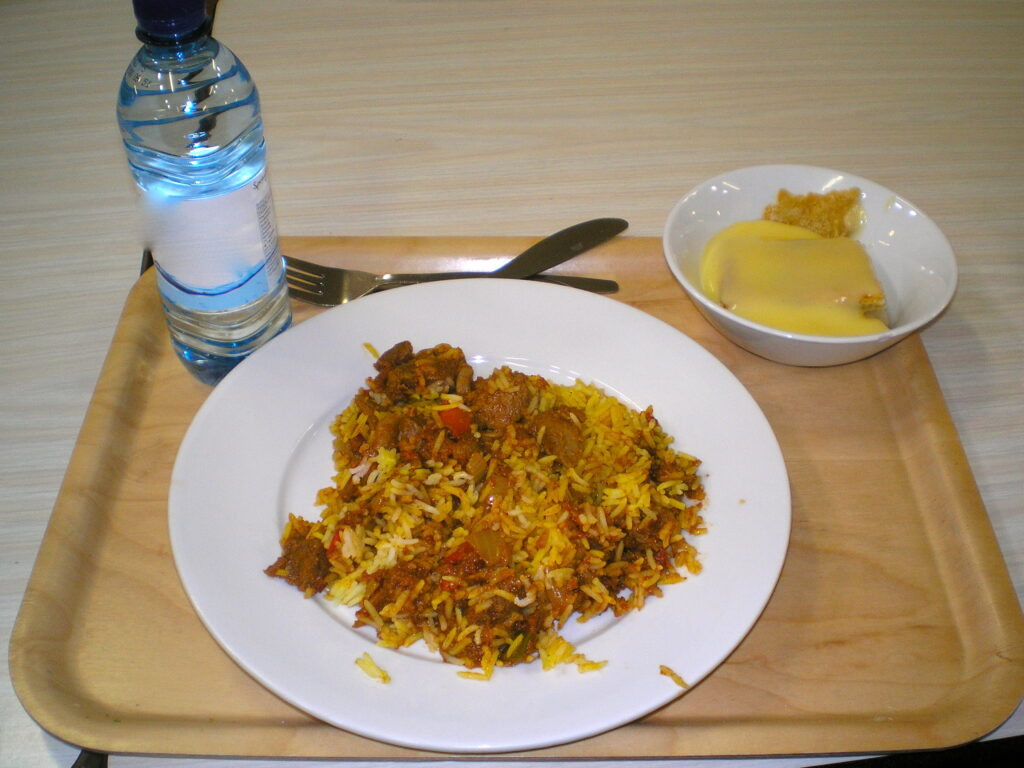
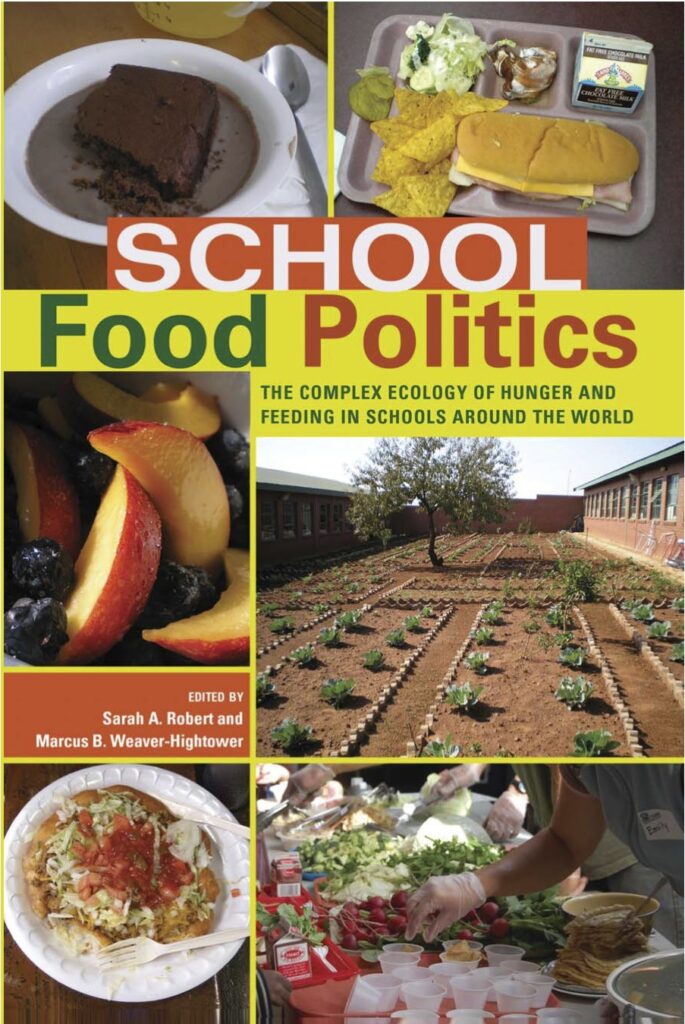
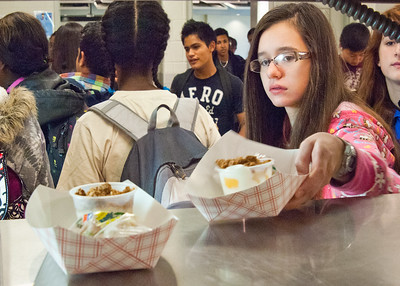
School Food
I have written and commented on the complex school food policy ecosystem in the United States.

Comics & Graphic Novels in Education and Research
I create and theorize about comics-based research (CBR)

Qualitative Research
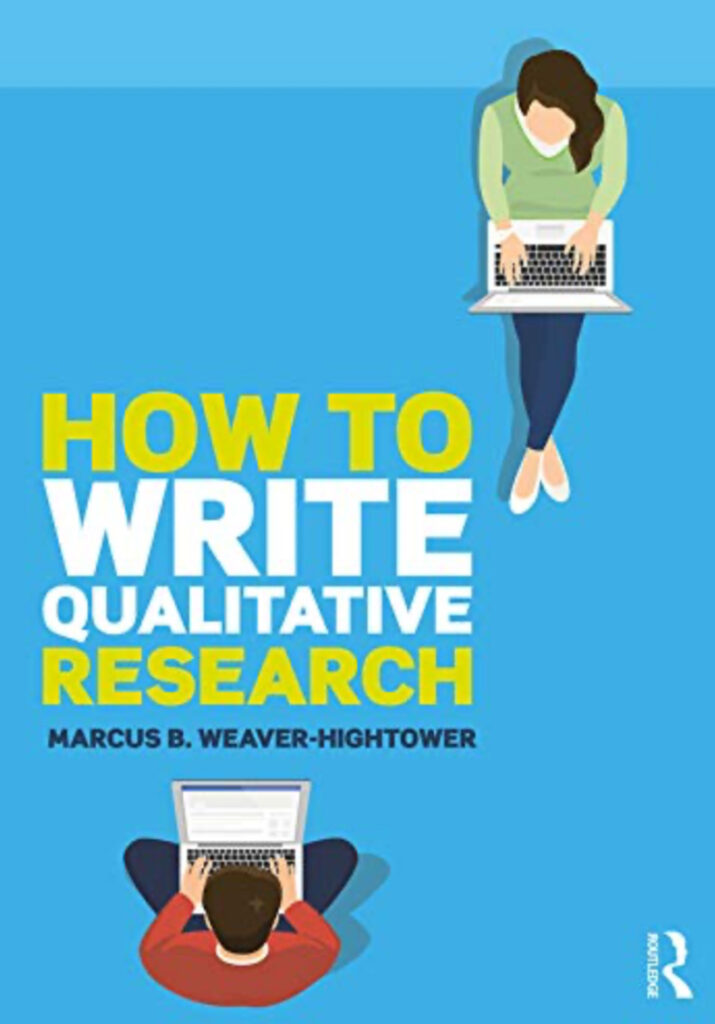
I write about the “doing” of qualitative research, including general qualitative writing, autoethnography, and comics.

Gender, Sexuality & Education
I have written extensively about gender in education, especially focused on boys and men and masculinity.

Education Policy
I theorize policy creation in terms of “policy ecology” and investigate it qualitatively, focusing on issues of justice.
Read My Work
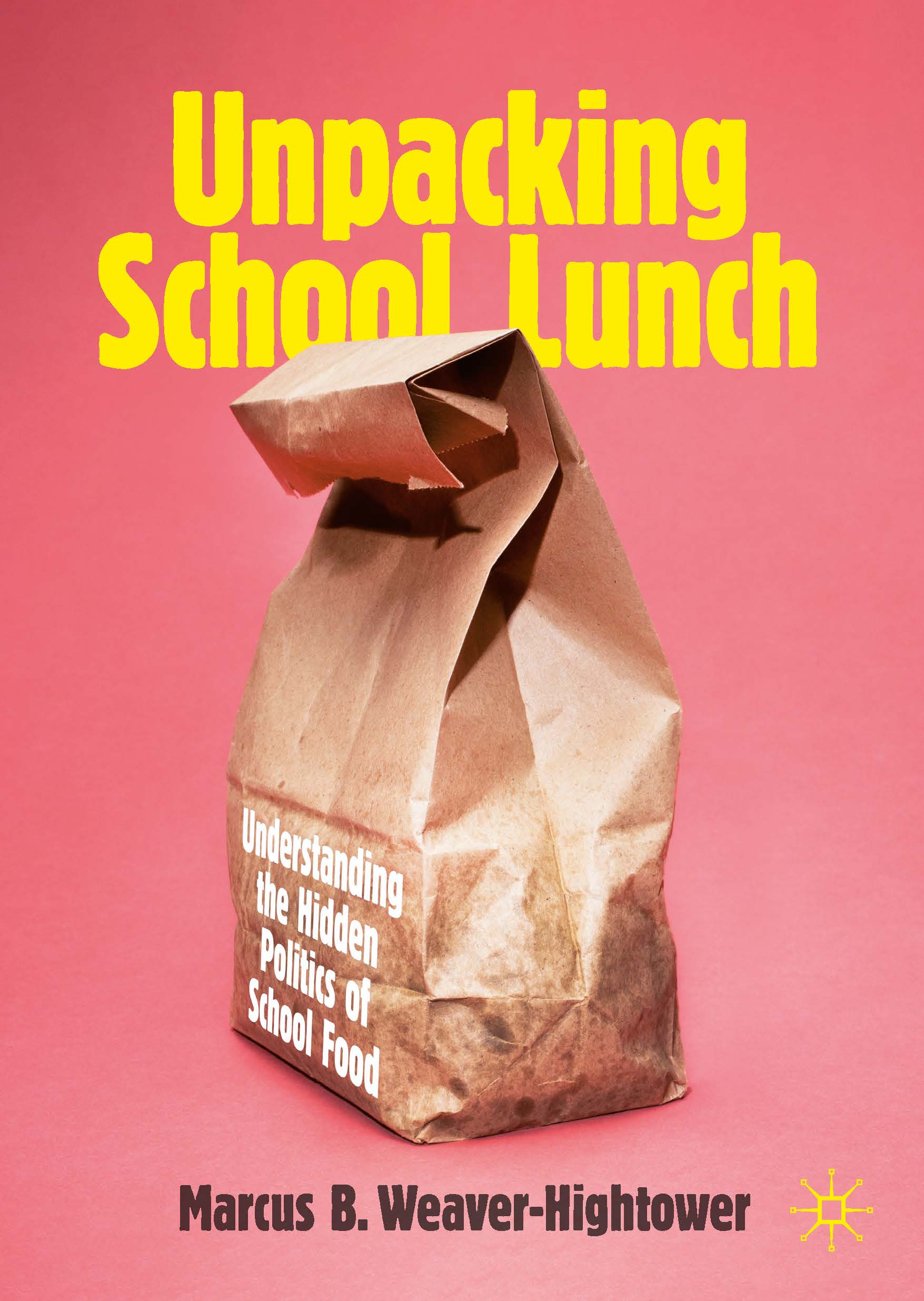
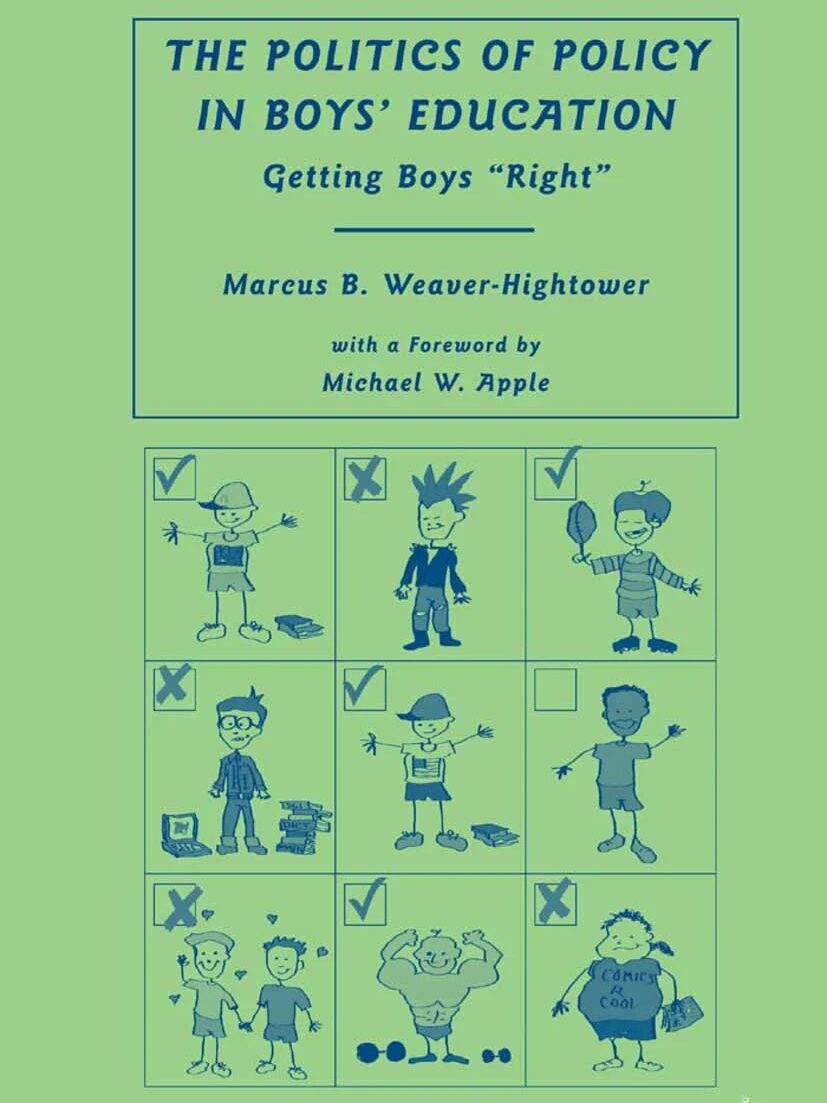
Books
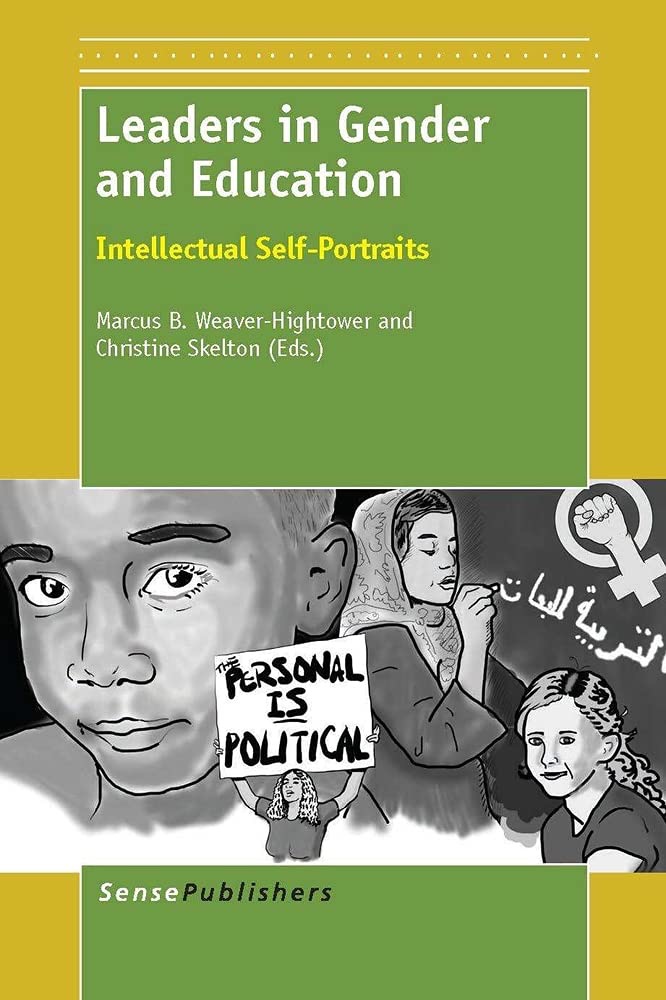
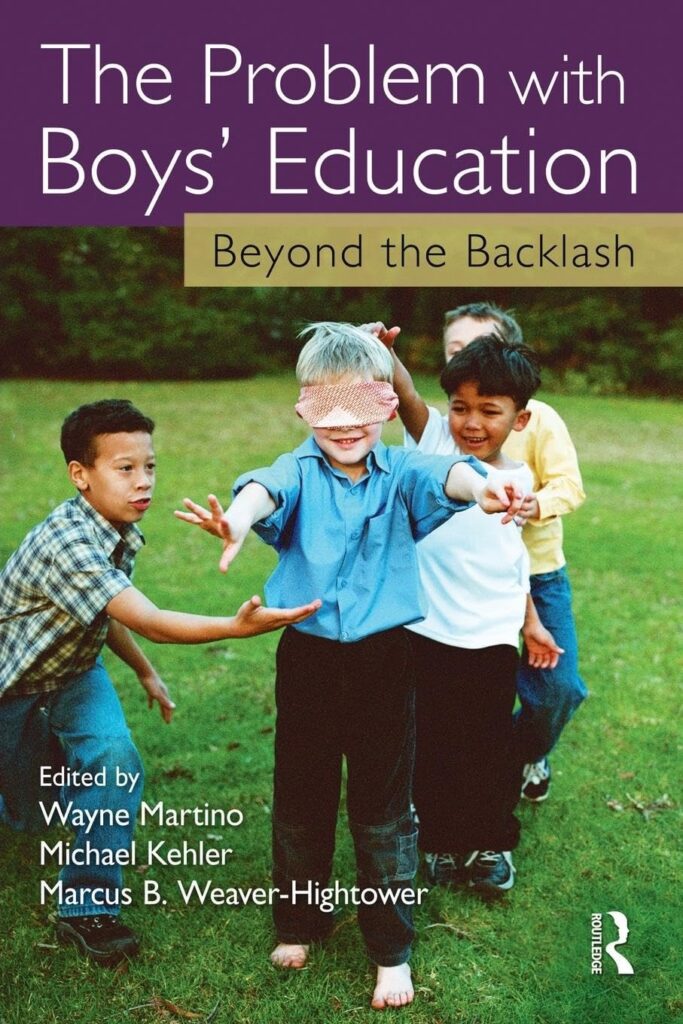
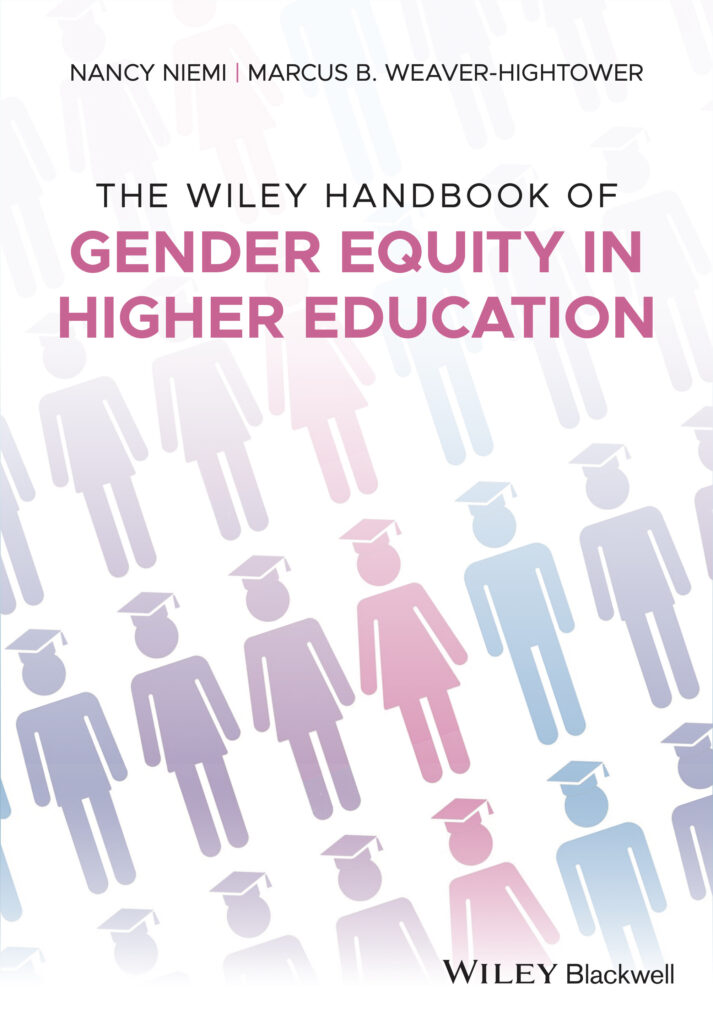
Edited Collections
IN THE MEDIA

“A Food Fight Over Free School Lunch”

“School Lunches with Marcus Weaver-Hightower”
With Good Reason podcast
“Food for Thought”
Reviews
What others have said…
On Unpacking School Lunch
“Unpacking School Lunch is a wonderfully written, fresh, original, and utterly compelling account of what advocates are up against in getting schools to serve healthier, more sustainable meals to kids. This book is an absolute must-read for anyone who cares about what kids eat, not least for Weaver-Hightower’s remarkably astute analysis of conservative opposition to improving school food.”
―Marion Nestle, author and Professor Emerita of Nutrition, Food Studies, and Public Health, New York University, USA
On “Waltzing Matilda: An Autoethnography of a Father’s Stillbirth”
“shows how, when done well, autoethnography is scientific and meticulous. Members of the committee believed that this article can serve as a teaching tool, to show students how autoethnography should be done.”
Award citation, Anselm Strauss Award for Qualitative Family Research, National Council on Family Relations, 2013
Contact
Email
[email protected]